
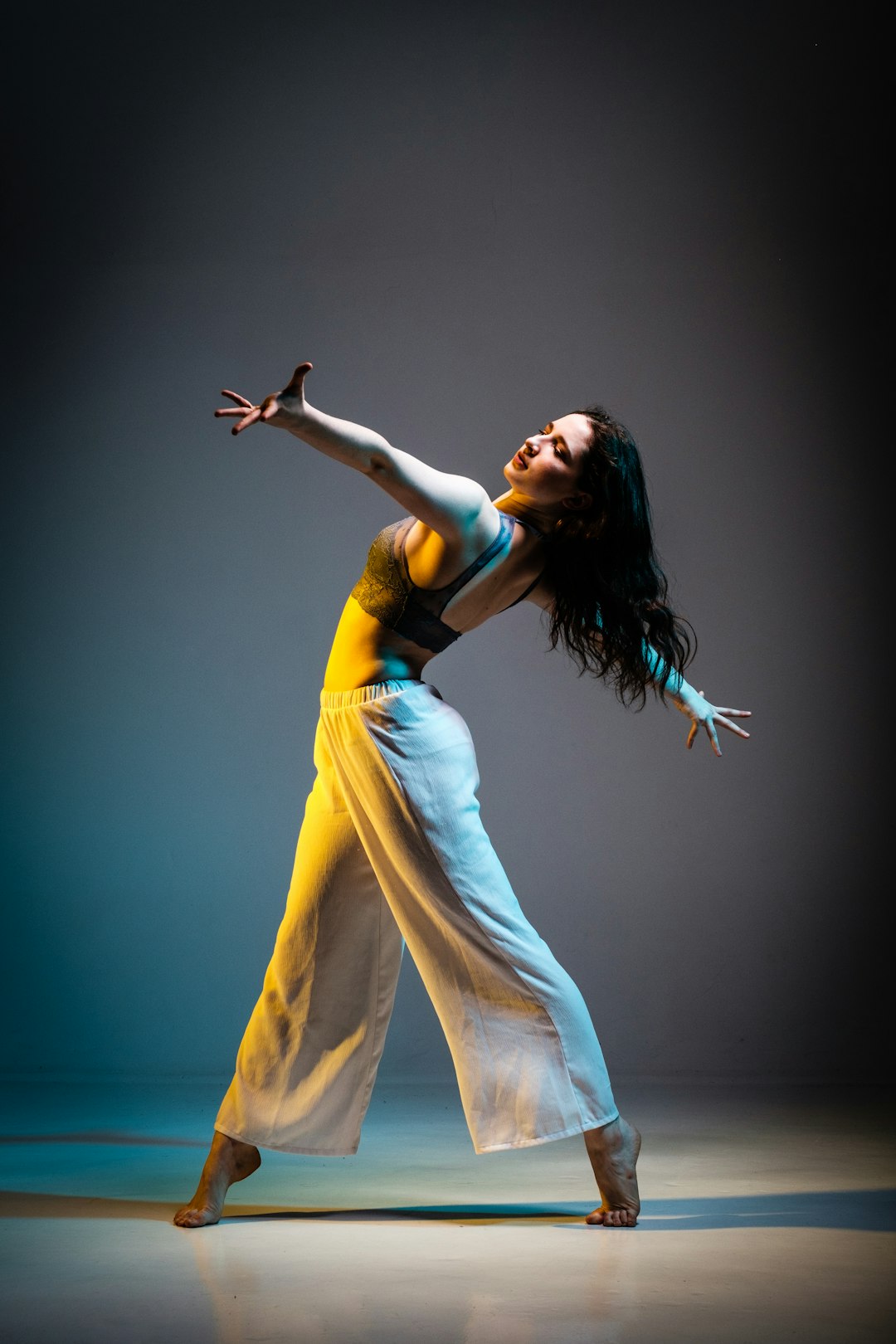
Walking into your first contemporary dance class can feel simultaneously exciting and intimidating. You've decided to explore movement, to challenge yourself, to try something new—and that takes courage. Whether you're coming to dance for the first time as an adult, returning after years away, or transitioning from another dance style, knowing what to expect can ease those first-class jitters.
As someone who teaches beginner contemporary classes at Canoru Dance School, I've welcomed hundreds of nervous first-time students. I've seen the apprehension in their faces when they arrive and the joy and relief they express after class. This guide draws on those experiences to help you prepare for your first class and get the most from your introduction to contemporary dance.
Before You Arrive: Practical Preparation
Let's start with the practical questions that often cause unnecessary stress. What should you wear? Contemporary dance doesn't have the strict dress code of ballet. Comfort and freedom of movement are the priorities. Most students wear fitted but stretchy clothing like leggings or dance pants with a fitted top or leotard.
Avoid anything too baggy that obscures your body lines—instructors need to see your alignment to provide helpful corrections. Also skip clothes with zippers, buttons, or embellishments that might scratch the floor or hurt during floor work. Many students wear layers they can remove as they warm up.
Contemporary dance is typically practiced barefoot, which allows full articulation through your feet and better connection with the floor. This might feel strange initially if you're used to dancing in shoes, but most students quickly appreciate the freedom and sensitivity barefoot dancing provides. Make sure your feet are clean before class, and if you have any foot concerns like plantar fasciitis, mention them to your instructor.
Arrive about 10-15 minutes early for your first class. This gives you time to find the studio, change if needed, fill out any required paperwork, and introduce yourself to the instructor. Early arrival also lets you settle into the space before class begins rather than rushing in feeling flustered.
Bring water. Dancing is physically demanding and you'll need to hydrate. Most studios have water fountains, but having your own bottle ensures you can drink whenever needed. A small towel can also be helpful for wiping sweat during intense sections.
What Happens in a Typical Beginner Class
Contemporary dance classes generally follow a similar structure, though individual instructors add their own flavor. Understanding this structure helps you know what's coming and feel more oriented during your first experience.
Classes typically begin with a warm-up designed to gradually raise your heart rate, increase joint mobility, and prepare your body for dancing. This might include gentle cardiovascular movement like walking or jogging variations, followed by stretches and mobilization exercises. The warm-up is crucial for injury prevention and helps transition your mind from daily concerns into focused movement.
After warming up, most classes move into technical exercises. These might happen in the center of the room or traveling across the floor. You'll learn fundamental contemporary dance movements and concepts like plié, spine articulation, weight shifts, and basic traveling steps. Your instructor will demonstrate movements and then students practice together.
Don't worry if you don't get everything immediately. Dance learning happens through repetition and over time. Your instructor understands you're a beginner and doesn't expect perfection. Focus on understanding the basic idea of each exercise rather than executing it flawlessly.
Many classes include some improvisation or creative exploration. This might feel uncomfortable if you're used to following specific instructions, but it's an important part of contemporary dance. Even simple tasks like "explore different ways to travel across the floor" help you develop creativity and personal expression.
Classes often conclude with a combination or phrase—a short sequence of movements set to music. This brings together elements you've practiced and gives you the experience of dancing rather than just doing exercises. Beginner combinations are intentionally simple, focusing on helping you experience the flow and artistry of contemporary dance.
The class ends with a cool-down involving gentle stretching while your muscles are still warm. This helps prevent soreness and provides a calming transition back to the rest of your day. Some instructors include a brief moment of stillness or reflection at the very end.
The Mental Game: Managing Expectations
Physical preparation is straightforward, but mental preparation often matters more for first-time students. Let's address some common concerns and mindsets that will help you get the most from your first class.
First, release the expectation that you should look like experienced dancers. Dance is a skill that develops over time. Your instructor isn't expecting you to execute movements perfectly—they're looking for your engagement, effort, and willingness to try. Everyone in that room was once a beginner, including your teacher.
You might feel self-conscious moving in front of others. This is completely normal. Remember that everyone else is focused on their own dancing, not critiquing yours. And the studio is specifically a space for learning, which means making mistakes and looking imperfect. Give yourself permission to be a beginner.
Comparing yourself to other students, even other beginners, rarely helps. Everyone brings different backgrounds, abilities, and learning styles to class. Some people have natural flexibility, others have strong rhythm, others quickly grasp spatial patterns. Your journey is your own. Focus on your experience rather than measuring yourself against others.
If you feel lost during a combination, don't panic or give up. Keep moving, even if you're not doing the exact steps. Staying engaged and moving somehow is better than stopping and watching. You can also position yourself behind more experienced students where you can follow along while learning.
It's okay to take breaks if needed. If something feels wrong or you need to pause, step to the side and rest. Good instructors would rather you listen to your body than push through pain or exhaustion. That said, distinguish between genuine physical limits and mental discomfort—the latter often eases if you breathe and keep going.
Understanding Contemporary Dance Philosophy
Contemporary dance differs from some other styles not just in movement vocabulary but in underlying philosophy. Understanding these principles helps you approach class with the right mindset.
Contemporary dance values individual expression alongside technical skill. While you'll learn specific techniques, you're also encouraged to find your own movement quality and style. There isn't one "correct" way to be a contemporary dancer. This can feel liberating but also unsettling if you prefer clear right-and-wrong answers.
The style emphasizes full-body integration. Rather than isolating specific body parts, contemporary technique explores how movement travels through the entire body. A gesture of your arm affects your torso, your weight, your breath. This holistic approach creates the flowing, organic quality characteristic of contemporary dance.
Contemporary dance explores the full range from floor to standing. Unlike ballet which primarily happens on two feet, you'll spend significant time sitting, kneeling, rolling, and transitioning between levels. This can be challenging initially but opens up new movement possibilities.
Breath is treated as an active component of movement rather than something separate. You'll learn to coordinate breathing with gestures and use breath to initiate or release movements. This integration makes dance feel more natural and sustainable.
The relationship with music in contemporary dance can be complex. Sometimes you'll move directly with the rhythm. Other times you'll dance the quality or mood of music rather than matching counts. You might even dance in silence. This flexibility allows for rich artistic expression but requires learning to hear music in different ways.
Building Body Awareness
One of contemporary dance's greatest gifts is increased body awareness—understanding where you are in space, how you're moving, what you're feeling. This awareness develops gradually but you can accelerate the process through intentional practice.
Before class, take a few minutes to check in with your body. Notice areas of tension or soreness. Observe your natural breath pattern. Feel your feet on the ground. This brief body scan creates a baseline awareness you'll build on during class.
During class, practice noticing without judging. When the instructor asks you to shift your weight forward, what do you actually feel? When you round your spine, which parts move easily and which feel stiff? Simple observation without criticism builds awareness more effectively than harsh self-judgment.
Use mirrors mindfully. Most studios have mirrors, which can be helpful for checking alignment. However, constantly watching yourself in the mirror can disconnect you from internal sensation. Try alternating between watching your reflection and closing your eyes or looking away, relying on how movement feels rather than how it looks.
Pay attention to your breath. Notice when you hold your breath (often during difficult or new movements) and practice breathing continuously. Feel how inhalation and exhalation change your torso shape and can even initiate movement. This breath awareness will serve your dancing and your overall wellbeing.
Common Challenges and How to Handle Them
Certain challenges arise frequently for beginning contemporary dancers. Knowing about them in advance helps you respond constructively rather than feeling discouraged.
Many beginners struggle with balance, especially when asked to stand on one leg or perform slow, controlled movements. Balance develops through practice as your stabilizing muscles strengthen and your proprioception improves. In the meantime, use a light touch on a wall or barre when needed, gradually reducing support as you gain confidence.
Coordination can be tricky when learning to move multiple body parts simultaneously or perform sequences that combine various elements. Break complex movements into smaller pieces. Practice the arms alone, then the legs, then combine them slowly. Rhythm and sequencing become more natural with repetition.
Flexibility limitations can feel frustrating, especially if you see more flexible students performing movements you can't yet access. Remember that flexibility increases with consistent, gentle stretching over time. Never force your body into positions—respect your current range and it will gradually expand. Also know that contemporary dance values quality of movement over extreme flexibility.
Mental blocks sometimes emerge, particularly around improvisation or performing in front of others. These blocks often reflect deeper fears about being seen, making mistakes, or not being good enough. Treat yourself with compassion. You're learning something new and vulnerability is part of that process. The courage to keep showing up despite discomfort is itself valuable.
After Class: Integration and Reflection
Your first class doesn't end when you leave the studio. How you integrate the experience affects what you gain from it and whether you'll return.
You'll likely feel sore in the days following your first class, especially if you're not regularly active. This delayed onset muscle soreness is normal and indicates your body adapting to new demands. Gentle movement, stretching, and adequate hydration help manage soreness. Distinguish this normal discomfort from sharp pain, which might indicate injury and deserves professional attention.
Take time to reflect on your experience. What did you enjoy? What felt challenging? What surprised you? This reflection helps you understand what you're seeking from dance and guides your next steps. Maybe you loved the creative freedom but found the technique intimidating, or vice versa. All responses are valid.
Consider keeping a dance journal. Even brief notes about what you learned, how you felt, or questions that arose can deepen your learning and track your progress. Looking back weeks or months later, you'll be amazed by how much you've developed.
If you didn't love your first class, don't give up immediately. First experiences with anything new can feel awkward. Give yourself three or four classes to acclimate before deciding whether contemporary dance is for you. You might also try a different instructor or class level if available—teaching styles vary and a different approach might resonate more.
What Makes Canoru Different for Beginners
At Canoru Dance School, we've designed our beginner program specifically to welcome students with no prior dance experience. Our instructors understand the unique needs and concerns of adult beginners and create an environment where you can learn without judgment.
Class sizes remain small so each student receives individual attention. We notice when someone looks confused and offer modifications or clarification. We provide both demonstration and detailed verbal explanation, recognizing that people learn differently.
We emphasize progression over perfection. Our goal isn't to make you look like a professional dancer immediately but to help you develop understanding, capability, and love for movement at your own pace. We celebrate small victories and acknowledge that learning happens in spirals rather than straight lines.
The Canoru community welcomes diversity in bodies, ages, backgrounds, and abilities. You'll take class alongside other beginners who share your nervousness and excitement. Many students form friendships that extend beyond the studio, finding community through shared creative practice.
We also offer support beyond class time. Students can email instructors with questions, access online resources about dance concepts, and attend occasional workshops that deepen specific aspects of training. We're invested in your growth as a whole person, not just a dancer.
Taking the Leap
Ultimately, reading about contemporary dance is no substitute for experiencing it. All the preparation in the world can't fully eliminate the vulnerability of trying something new. At some point, you simply have to show up and begin.
Know that your nervousness is shared by virtually every beginner who came before you. Know that your instructor genuinely wants you to have a positive experience and will support your learning. Know that you don't have to be perfect or talented or naturally gifted to deserve to be there. The decision to explore movement is enough.
Contemporary dance offers gifts beyond physical fitness or artistic accomplishment. It builds body awareness, emotional expression, creative confidence, and community. It provides a space to be fully present in your body during a time when so much of life happens in our heads or on screens. It reconnects you with the simple joy of moving.
Your first class is just the beginning of a journey. Where that journey leads—whether to recreational enjoyment, performance aspirations, or simply greater embodiment in your daily life—will unfold in its own time. For now, all you need to do is take that first step through the studio door.
Ready for Your First Class?
Join us at Canoru Dance School and discover the joy of contemporary dance in a welcoming, supportive environment designed for beginners.
Book Your First Class