
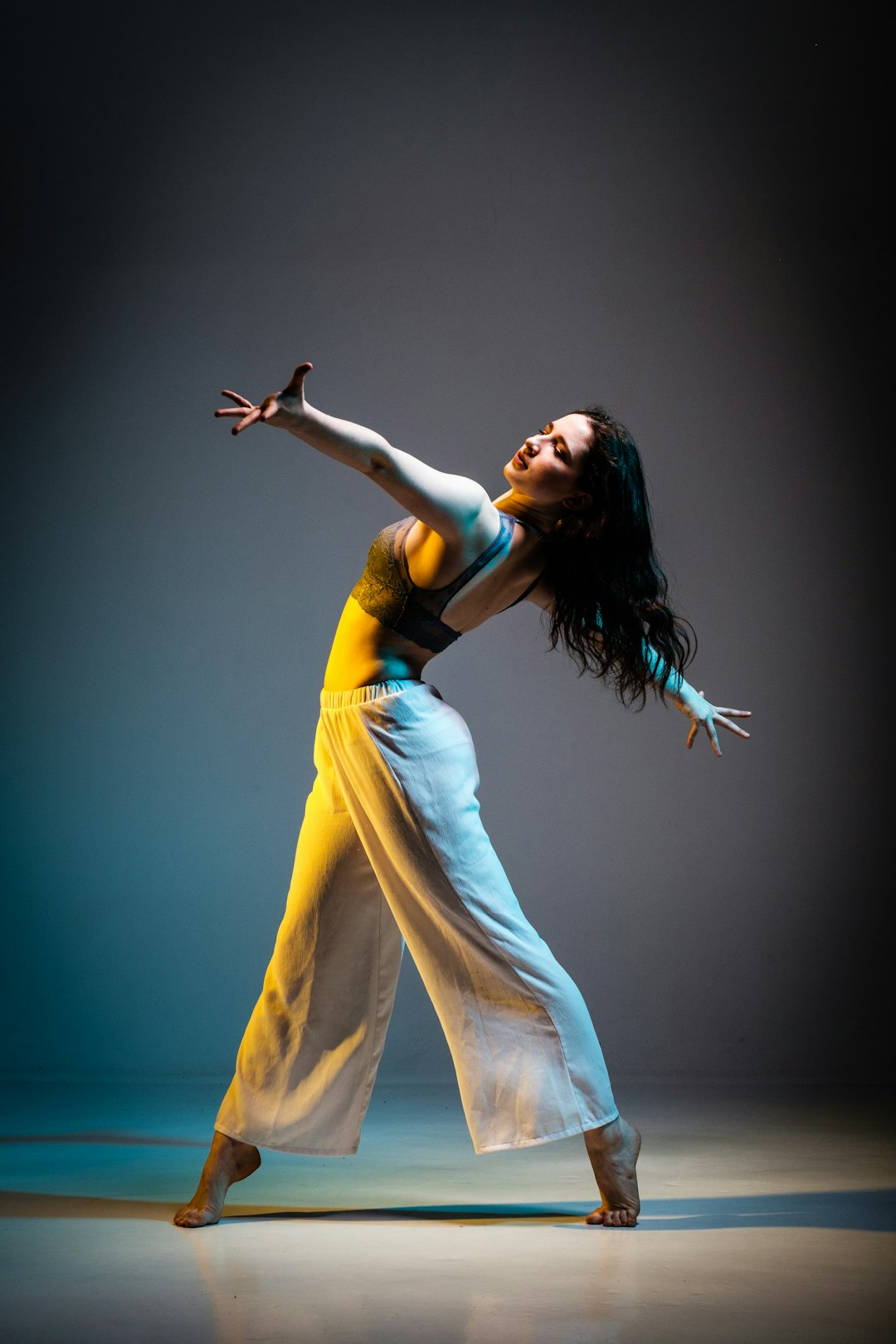
In our hyperconnected, constantly stimulated world, finding moments of true presence has become increasingly rare and precious. Many people turn to seated meditation to cultivate mindfulness, but for those who feel more connected to their bodies than their thoughts, dance offers an equally profound path to presence. Contemporary dance, with its emphasis on breath, sensation, and authentic expression, naturally bridges the worlds of movement and meditation.
At Canoru Dance School, we've witnessed how approaching dance as a mindfulness practice transforms not only how students move but how they experience their lives. This article explores the deep connections between contemporary dance and meditation, and offers practical ways to cultivate mindful awareness through movement.
Understanding Mindfulness Through the Body
Mindfulness—the practice of paying attention to present-moment experience without judgment—is often taught through stillness. Seated meditation asks us to observe our breath, notice our thoughts, and return to the present moment when our minds wander. While powerful, this approach can feel inaccessible to people who find sitting still uncomfortable or whose minds race too frantically for traditional meditation.
Movement-based mindfulness offers an alternative entry point. When you dance with awareness, your moving body becomes the anchor to the present moment. The sensation of your foot pressing into the floor, the feeling of air against your skin as you travel through space, the subtle shift of weight from one leg to another—these physical experiences ground you in the here and now.
For kinesthetic learners and active individuals, mindful movement can be easier than seated practice. The body's engagement provides something concrete to focus on, reducing the tendency for mental wandering. Physical sensation is harder to ignore than breath, making it a powerful tool for developing present-moment awareness.
Contemporary dance is particularly suited to mindfulness practice because of its values and approach. Unlike dance styles that emphasize outward appearance or technical perfection, contemporary technique prioritizes internal experience. You're encouraged to notice what you feel, to explore your unique movement expression, to breathe consciously. These are fundamentally meditative practices.
Breath: The Bridge Between Dance and Meditation
In both meditation and contemporary dance, breath serves as the fundamental connection between body and mind. Conscious breathing is where these practices most obviously intersect, and developing breath awareness in dance naturally enhances your capacity for mindfulness.
Most people breathe shallowly and unconsciously, especially when stressed or concentrating. Dance training teaches you to breathe fully and intentionally even during physical exertion. You learn to coordinate inhalation and exhalation with movement, using breath to initiate gestures or facilitate release.
This conscious breathing immediately brings you into the present moment. You cannot breathe in the past or future—breath exists only now. When you're truly connected to your breath while dancing, you're anchored in present experience. Mental chatter about whether you're doing it right or how you look fades when your attention rests on the simple rhythm of inhalation and exhalation.
Breath also serves as a barometer of your mental state. Notice what happens to your breathing when you feel self-conscious or attempt a challenging movement—you probably hold your breath or breathe shallowly. This physiological response to stress is the same whether you're dancing or facing any other life challenge. Learning to maintain steady breath during difficult dance moments trains you to do the same in difficult life moments.
At Canoru, our instructors frequently cue breath awareness, reminding students to breathe fully and notice how breath changes their movement quality. This consistent return to breath creates a meditative framework even within technically demanding classes.
Cultivating Non-Judgmental Awareness
One of mindfulness practice's core principles is observing experience without judgment—noticing what is without labeling it as good or bad. This proves challenging in dance, where we're conditioned to constantly evaluate our performance. Am I doing it right? Do I look good? Am I as flexible as that other dancer?
Developing non-judgmental awareness in dance requires deliberate practice. It means noticing that you wobbled during a balance without the internal commentary of "I'm terrible at balance" or "I should be better at this." It means feeling tightness in your hamstrings and simply acknowledging "my hamstrings feel tight today" rather than spinning stories about inflexibility.
This shift from judgment to observation is liberating. So much energy goes into evaluating and criticizing ourselves. When you simply notice what is—I'm breathing shallowly, my weight is more on my right foot, my shoulders are tense—you create space for natural adjustment without the heavy weight of self-criticism.
Improvisation practice particularly develops non-judgmental awareness. When you improvise, there's no "correct" movement to execute, which short-circuits the usual evaluation process. You simply move and notice what emerges. This practice of allowing whatever arises without judgment translates beautifully to meditation and daily life.
We encourage this mindset at Canoru by creating a supportive environment where mistakes are normalized and even celebrated as learning opportunities. When instructors model non-judgmental observation—"I notice many of us are shifting our weight back; let's explore what happens if we bring it forward"—students learn to approach their own experience with similar curiosity rather than criticism.
Embodied Presence in Dance
Being fully present means experiencing this moment completely, not lost in thoughts about past or future. Dance naturally cultivates presence because movement demands real-time engagement. You cannot execute a turn while mentally planning tomorrow's schedule—you'll literally fall over.
This forced presence is one of dance's great gifts. For the duration of class, you're pulled out of mental preoccupation into direct physical experience. Your thinking mind, which usually dominates consciousness, steps back while bodily intelligence takes over.
You can deepen this natural presence through intentional awareness. Before moving, take a moment to truly arrive in your body. Feel your feet on the floor, notice the quality of your breath, sense the temperature of the space. This brief grounding practice establishes presence before you even begin dancing.
During movement, practice staying with sensory experience. Rather than thinking about the next step or worrying about how you look, feel the spiral of your spine, notice the texture of the floor, sense the space around you. When you catch yourself lost in thought, gently return attention to physical sensation.
Working with eyes closed can intensify embodied presence. Without visual input, you rely more fully on proprioception—your body's internal sense of position and movement. We regularly include eyes-closed exploration at Canoru, allowing students to experience movement from the inside rather than monitoring themselves externally.
Exploring Sensation and Somatic Awareness
Somatic practices—those that emphasize internal physical experience—form a bridge between dance and meditation. Contemporary dance training incorporates somatic principles, asking dancers to develop sophisticated body awareness and move from internal sensation rather than external form.
This inward focus transforms dance from performance into exploration. Instead of trying to make your body look a certain way, you investigate how movement feels. What happens in your spine when you fold forward? How does weight shift through your feet during a turn? What changes when you soften your jaw?
These questions direct attention to subtle sensations you might normally ignore. The more refined your awareness of internal experience becomes, the more information you have to work with. You notice tension before it becomes pain, identify imbalances before they cause injury, and discover efficient movement patterns by feeling what works in your unique body.
Somatic awareness also reveals the emotional dimensions of physical experience. Your body holds feelings and memories. A particular movement might evoke unexpected emotion. A chronically tight shoulder might release when you finally slow down and truly feel what's there. This integration of physical and emotional experience creates wholeness often missing from purely mental meditation practices.
Contemporary dance's floor work particularly supports somatic exploration. When you're lying on the floor, you can more easily sense the detailed architecture of your skeleton, the distribution of your weight, the subtle movements of breath through your torso. This horizontal exploration builds awareness you then bring to vertical dancing and life.
Dance as Moving Meditation Practice
While all mindful dancing shares qualities with meditation, you can also approach dance explicitly as meditation practice. This means setting specific intentions around awareness and using movement as a formal contemplative practice rather than just creative expression or physical exercise.
Begin with a clear intention to cultivate presence. Before you start moving, establish your motivation: "For the next 20 minutes, I will practice staying connected to bodily sensation" or "I will notice when my mind wanders and gently return to feeling my breath and movement."
Start simply. Put on music that supports inward focus—often slower, ambient soundscapes work better than rhythmically complex music. Begin moving very slowly, giving yourself time to feel each gesture fully. Notice the quality of initiation—where does a movement begin in your body? Track its path through your structure. Feel the transition into the next movement.
When you notice your mind wandering into planning, remembering, or judging, acknowledge this without criticism and return attention to sensation. This return is the heart of meditation practice, whether seated or moving. You will wander and return hundreds of times—this is normal and expected.
Work with simple movement scores that provide enough structure to focus attention without requiring complex thinking. You might explore variations of a single gesture for five minutes, or slowly travel across your space attending to each step. The simplicity allows depth of awareness rather than breadth of movement.
Conclude your movement meditation as intentionally as you began. Gradually slow until you're still, then take a few moments to notice the effects of the practice. How do you feel physically? What's your mental state? This reflection reinforces awareness and helps you recognize the practice's benefits.
Mindful Movement in Daily Life
The awareness cultivated through mindful dance extends far beyond the studio. When you develop the capacity to be present in your moving body, you can access that presence anywhere—walking down the street, washing dishes, sitting at your desk.
Everyday activities become opportunities for embodied mindfulness. Feel your foot articulating through the step when you walk. Notice your posture and breath while sitting. Bring full attention to the physical sensations of showering or eating. These small moments of body awareness throughout your day maintain the connection established in dance practice.
Physical awareness also serves as an early warning system for stress. Before stress fully manifests as illness or overwhelm, it appears in your body—as shoulder tension, shallow breathing, or stomach tightness. When you're accustomed to noticing subtle physical sensations through dance, you catch these signals early and can respond before stress escalates.
The non-judgmental observation practiced in mindful dance transforms how you relate to discomfort in daily life. Rather than immediately trying to fix or avoid uncomfortable sensations or emotions, you can simply be with them, investigating them with curiosity. This capacity to stay present with difficulty is one of contemplative practice's most valuable gifts.
Movement becomes a resource you can access for regulation and grounding. Feeling anxious? A few minutes of conscious breathing and simple movement can shift your state. Feeling disconnected? Dance brings you back into your body and the present moment. The practices you develop in the studio become tools for navigating life.
The Science of Mindful Movement
Recent research supports what dancers have long known intuitively—mindful movement practices offer profound benefits for mental and physical health. Understanding the science can deepen appreciation for these practices and motivate consistent engagement.
Studies show that mindful movement reduces stress and anxiety as effectively as seated meditation. When you're fully absorbed in present-moment physical experience, the brain's default mode network—associated with rumination and self-referential thinking—quiets. This provides relief from the constant mental chatter that characterizes anxiety.
Dance particularly activates the brain's reward centers, releasing feel-good neurochemicals like dopamine and endorphins. Combined with mindfulness's stress-reducing effects, this creates a powerful intervention for mood. Many students report that dance class is their most reliable tool for managing depression and anxiety.
Mindful movement also improves body image and reduces self-objectification. When you focus on how movement feels rather than how you look, you develop appreciation for your body based on its capabilities and sensations rather than its appearance. This shift in perspective can be healing for people struggling with body image issues.
Regular movement practice enhances neuroplasticity—the brain's ability to form new neural connections. Learning dance combinations challenges your brain to integrate complex information about rhythm, spatial patterns, and sequential movement. This cognitive challenge, combined with physical activity, supports brain health and may reduce dementia risk.
Perhaps most importantly, mindful movement cultivates interoception—awareness of internal bodily states. Strong interoceptive awareness correlates with better emotional regulation, decision-making, and overall wellbeing. By training yourself to notice subtle physical sensations, you enhance this crucial aspect of self-awareness.
Creating Mindful Dance Practice
Whether you attend classes or practice alone, certain approaches maximize dance's contemplative benefits. These principles help transform any dance practice into mindfulness training.
Minimize external distractions. Turn off your phone, choose a time when you won't be interrupted, and create a space that supports inward focus. While you can practice mindful movement anywhere, reducing distractions especially helps when you're first developing this capacity.
Begin each session with arrival. Rather than immediately launching into movement, take a few minutes to transition from your busy day into practice. This might involve lying down and body scanning, sitting quietly and breathing, or very gentle preliminary movement. This transition period signals to your nervous system that you're shifting into a different mode of being.
Set intentions but hold them lightly. You might intend to stay connected to breath, to practice non-judgment, or to explore a particular quality of movement. Having focus supports practice without becoming rigid. If you notice yourself clinging to intentions or using them to judge yourself, relax your grip.
Balance structure and spontaneity. Some structure helps focus attention—perhaps you always begin with 10 minutes of floor work, or you use a particular song for improvisation. But leave space for spontaneity and following your body's wisdom about what it needs each day.
End with integration. After moving, take time to assimilate the experience. You might lie in stillness, journal about insights or sensations, or simply sit quietly. This integration helps consolidate the awareness you've cultivated and brings closure to the practice.
Mindful Dance at Canoru
While all our classes incorporate mindfulness principles, we also offer specific mindful movement sessions that explicitly frame dance as contemplative practice. These classes move more slowly than our regular contemporary classes, with extended time for internal exploration and minimal emphasis on learning complex combinations.
We also begin and end each regular class with practices that support presence—arriving through breath and body awareness at the start, closing with stretching and a moment of stillness. Even in our most technically demanding classes, instructors regularly cue students to notice their breath, feel the floor, or observe their sensations.
Our teaching style emphasizes internal experience over external appearance. Rather than simply demonstrating what a movement should look like, we describe how it feels, where it initiates, how breath supports it. This somatic language helps students develop the inward focus that characterizes mindful practice.
We create an environment where you feel safe to close your eyes, move differently from others, or pause and rest when needed. This safety is essential for the vulnerability that deep embodied work requires. You cannot truly be present if you're worried about being judged.
The Ripple Effects
Students who develop mindful dance practices often report changes that extend far beyond improved dancing. They sleep better. They handle stress more skillfully. They feel more connected to their bodies and more comfortable in their skin. They experience moments of joy and presence in ordinary moments that previously passed unnoticed.
These changes aren't dramatic overnight transformations but gradual shifts that accumulate over time. Like drops of water slowly wearing stone, regular mindful movement practice shapes your nervous system, your self-concept, and your relationship with experience.
Perhaps most profoundly, mindful dance reconnects you with the simple pleasure of being embodied. In a culture that often treats bodies as objects to be managed, improved, or overcome, dancing mindfully is a radical act of homecoming—a return to the fundamental truth that you are your body, not separate from it.
This embodied presence is both the practice and the fruit. Each time you feel your breath, notice a sensation, or lose yourself in movement, you're both developing and experiencing the fullness of being alive. And that, ultimately, is what both dance and meditation offer—fuller, richer presence to this miraculous, fleeting, precious experience of being human.
Experience Mindful Movement
Discover the intersection of dance and meditation at Canoru Dance School, where every class is an invitation to presence and embodied awareness.
Begin Your Practice