
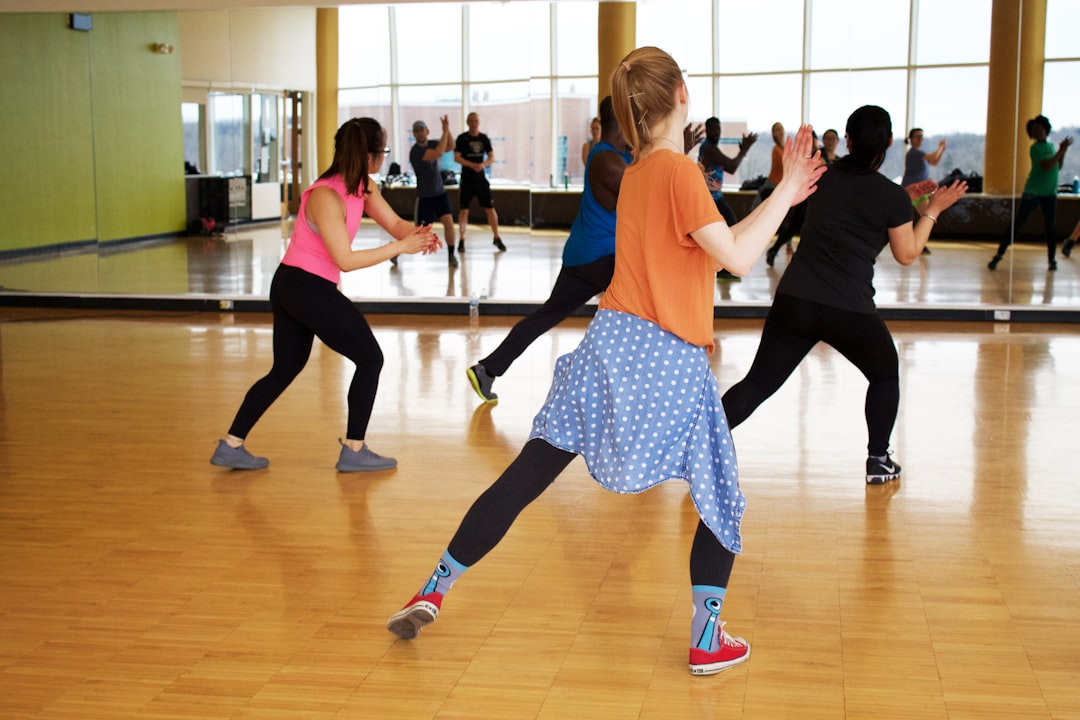
Contemporary dance demands a unique combination of physical attributes: the strength to execute powerful, dynamic movement; the flexibility to achieve full range of motion; the endurance to sustain energy through long phrases; and the fluidity that defines the aesthetic. Developing this multi-faceted physicality requires thoughtful training that builds strength without compromising the qualities that make contemporary dance distinctive.
Many dancers, particularly those new to contemporary work, underestimate the physical demands of the style. The flowing, organic quality of accomplished contemporary dancers can mask the tremendous strength supporting that apparent effortlessness. Understanding how to develop dance-specific strength helps you meet these physical demands while avoiding the bulk or rigidity associated with some strength training approaches.
Understanding Dance-Specific Strength
Strength for contemporary dance differs from the strength developed through traditional weightlifting or bodybuilding. Dancers need strength that supports movement through full ranges of motion, allows rapid directional changes, provides explosive power for jumps and lifts, and sustains through extended phrases without muscular failure.
Functional strength, the ability to produce force during actual movement patterns, matters more than isolated muscular strength. Being able to leg press heavy weight doesn't necessarily translate to higher jumps if that strength isn't accessible during the dynamic action of jumping. Dance training itself develops functional strength, but supplementary conditioning can enhance and accelerate this development.
Contemporary dance also requires balanced strength throughout the body rather than development focused on specific muscle groups. Imbalances create injury risk and movement limitations. A dancer with powerful legs but weak core struggles with control. Strong arms without corresponding back strength limits lifting capacity. Comprehensive strength development addresses the whole body as an integrated system.
Core Strength Fundamentals
Core strength forms the foundation for virtually all contemporary dance movement. Your core comprises not just the visible abdominal muscles but the entire muscular system stabilizing your spine and pelvis, including deep abdominals, obliques, back muscles, and hip stabilizers. This integrated system provides the stability from which your limbs can move powerfully and precisely.
Effective core training for dancers goes beyond traditional exercises like crunches or sit-ups. While these have their place, contemporary dancers benefit more from exercises that challenge core stability during movement, mimicking the demands of actual dancing. Planks and their variations, side planks, bird dogs, and dead bugs develop the stabilizing function of core muscles.
Rotational core strength deserves particular attention in contemporary dance, which frequently includes spiraling, twisting movement through the torso. Exercises incorporating rotation, like Russian twists, wood chops, and rotational lunges, build strength through these movement patterns. Resistance can come from body weight, light weights, or resistance bands.
Don't neglect the back body in core training. Many dancers overdevelop anterior core muscles while leaving back muscles comparatively weak, creating imbalance. Superman holds, back extensions, and quadruped exercises develop the posterior chain essential for backbends, lifts, and maintaining healthy posture.
Lower Body Power and Control
The legs provide the power for jumps, the control for balances, and the drive for traveling movement. Building lower body strength enhances all these capabilities while reducing injury risk in the knees and ankles that bear tremendous force during dance.
Squats are fundamental to developing leg strength for dance. Proper squat technique, maintaining neutral spine and tracking knees over toes, builds strength safely through the full range required for plié-based movements. Variations like single-leg squats, jump squats, and sumo squats address different aspects of dance movement demands.
Lunges in various directions develop strength through the ranges used in contemporary dance. Forward lunges prepare for traveling movement, side lunges strengthen the inner and outer thighs important for lateral movement, and reverse lunges develop balance and control. Adding rotation or reaching movements to lunges increases their dance specificity.
Jumping itself builds leg strength along with explosive power. Plyometric training including various jumps, hops, and bounds develops the rapid force production needed for impressive elevation. Start with basic two-foot jumps and progress to single-leg variations and combinations. Quality matters more than quantity; focus on powerful, controlled jumps rather than high volume with poor form.
Calf strength often gets overlooked but proves crucial for relevé work, jumping power, and ankle stability. Calf raises in various positions, including parallel, turned out, and single-leg variations, build strength through these small but mighty muscles. Both straight-leg and bent-knee variations address the different calf muscles.
Upper Body and Arm Strength
While contemporary dance isn't as upper-body intensive as some movement forms, arm strength supports port de bras, partnering, and floor work. Well-conditioned arms can be held in extended positions without trembling, execute powerful gestures, and support body weight during floor-based movement.
Push-ups and their variations build functional upper body strength for dancers. Standard push-ups, wide-arm push-ups, and tricep push-ups address different muscle groups. If full push-ups are currently too challenging, modified versions on knees or against a wall provide appropriate resistance while you build strength.
Plank variations mentioned in core work also significantly challenge arm and shoulder strength. Side planks particularly develop shoulder stability important for preventing injury during partnering and weight-bearing on the arms.
For dancers involved in partnering or lift work, additional upper body strengthening may be necessary. Pull-ups or assisted pull-ups, rows with resistance bands or weights, and shoulder-specific exercises build the strength needed to lift partners safely.
Flexibility and Strength Integration
One concern dancers often have about strength training is whether it will reduce flexibility. When done appropriately, strength training actually enhances functional flexibility by building strength through full ranges of motion and improving joint stability that allows safer stretching.
The key is training through full range of motion rather than partial movements. Squats should descend to full depth, lunges should reach full extension, and arm movements should explore complete ranges. This approach builds strength through the ranges you actually use in dancing.
Active flexibility, the ability to achieve and hold positions using muscular strength rather than just passive stretching, is crucial for contemporary dance. Leg lifts and holds, where you raise and sustain your leg at various heights without external support, develop this active flexibility. These exercises simultaneously build strength and increase usable range of motion.
Balance strength training and flexibility work rather than prioritizing one over the other. A good practice might include strength conditioning followed by stretching while muscles are warm, or alternating days of strength focus and flexibility focus. Both are essential for complete physical development.
Endurance and Stamina
Contemporary dance pieces can be physically demanding over extended durations. Building cardiovascular endurance ensures you can maintain quality and power throughout an entire piece rather than fading in the final sections. Mental endurance, the ability to maintain focus and presence through long rehearsals and performances, is equally important.
Dance itself provides excellent cardiovascular conditioning, but supplementary aerobic work can enhance endurance capacity. Running, cycling, swimming, or other cardiovascular activities build the aerobic base supporting sustained dance activity. Moderate intensity sessions of 30-45 minutes several times weekly supplement your dance training effectively.
High-intensity interval training (HIIT) mimics the demands of dance more closely than steady-state cardio. Contemporary choreography often alternates between explosive, high-energy sections and quieter, controlled passages. HIIT workouts alternating between intense bursts and recovery periods train your body for these shifting demands.
Building endurance for specific choreography requires practicing that choreography repeatedly. Mark through the piece multiple times in succession, building stamina for the specific movement demands. Gradually increase the number of repetitions you can execute while maintaining quality.
Recovery and Injury Prevention
Strength development occurs during recovery periods, not during the training itself. Training creates stimulus for adaptation, but actual strengthening happens when you rest and recover. Adequate recovery prevents overtraining, reduces injury risk, and allows consistent training over time.
Sleep provides the most important recovery tool available. During deep sleep, growth hormone release supports muscular repair and strengthening. Aim for 8-9 hours of quality sleep nightly, particularly during intensive training periods. Compromising sleep undermines training effectiveness and increases injury vulnerability.
Nutrition supports both training performance and recovery. Adequate protein intake provides building blocks for muscular development. Complex carbohydrates fuel training sessions. Healthy fats support hormonal function and reduce inflammation. Hydration affects every system in your body. While detailed nutrition guidance exceeds the scope of this article, recognize that what you eat significantly impacts your ability to develop strength.
Active recovery activities like gentle walking, swimming, or yoga promote blood flow that aids recovery without adding training stress. Foam rolling and self-massage techniques help maintain tissue quality and identify areas of tension before they become problematic. Regular rest days allow physical and mental recovery.
Periodization and Progressive Overload
Effective strength development follows principles of progressive overload and periodization. Progressive overload means gradually increasing training demands over time, whether through more repetitions, increased resistance, or greater complexity. Your body adapts to training stress by becoming stronger, but continued adaptation requires continued progression.
Increase training demands gradually and systematically. Trying to progress too quickly leads to injury and burnout. Small, consistent increases over time produce better results than dramatic jumps followed by setbacks. A common guideline suggests increasing training volume or intensity by no more than 10% weekly.
Periodization involves organizing training into cycles with varying focus and intensity. You might have phases emphasizing strength development, followed by periods focusing on technique refinement, then periods of performance preparation. This prevents plateau, reduces overtraining risk, and aligns your physical preparation with performance demands.
Creating Your Training Plan
Developing a personalized strength training plan begins with honest assessment of your current capacities and specific goals. What aspects of strength limit your dancing currently? Where do you want to be in three months, six months, a year? These answers guide program design.
For most dancers, 2-3 dedicated strength sessions weekly supplement regular dance training effectively. More than this may compromise recovery, while less may not provide sufficient stimulus for significant development. Sessions of 30-45 minutes can address major strength needs without requiring excessive time.
Balance your training across all major movement categories: push movements, pull movements, squatting patterns, hip hinging, core stability, and rotational work. This ensures comprehensive development without creating imbalances.
At Canoru, we recognize that physical conditioning is inseparable from dance training. Our instructors guide students in developing the strength, flexibility, and endurance their dancing requires. We integrate conditioning work into regular classes and offer supplementary conditioning sessions for students wanting additional focus on physical development. Building your physical capacities expands what you can express artistically, making strength development an investment in your artistic voice.