
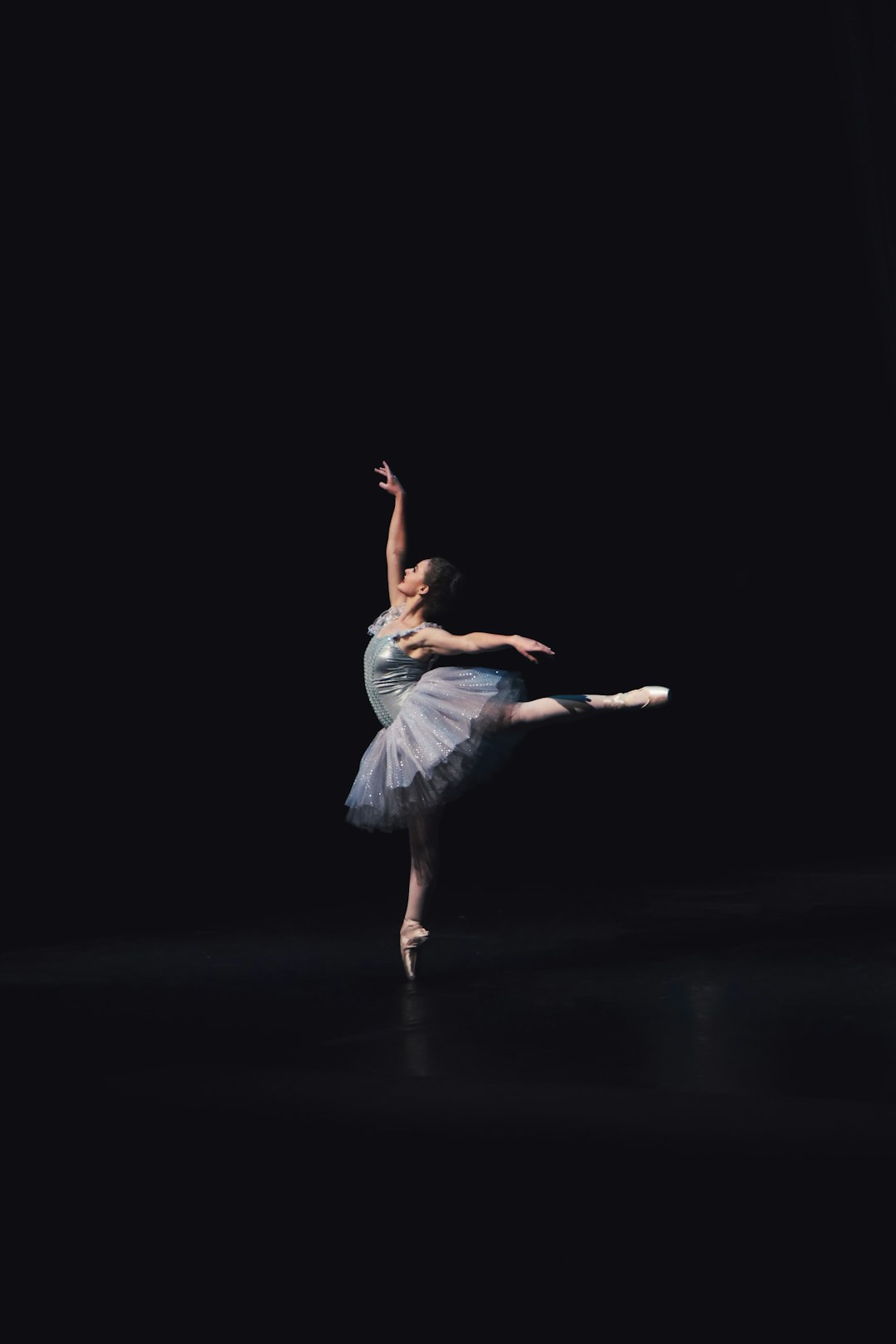
Your first dance performance represents a significant milestone in your journey as a dancer. The prospect of performing choreography in front of an audience creates a unique mix of excitement and anxiety for most dancers. Will you remember the choreography? What if you make a mistake? How do you manage the nerves that seem to intensify as performance day approaches?
These concerns are entirely normal, experienced even by professional dancers before important performances. The difference is that experienced performers have developed strategies for managing these challenges. This guide provides practical approaches to preparing for your debut performance, covering everything from rehearsal strategies to performance day management.
Understanding Performance Preparation Phases
Effective performance preparation unfolds in distinct phases, each with specific goals and approaches. Understanding these phases helps you structure your preparation time efficiently and know what to focus on when.
The learning phase focuses on absorbing the choreography, understanding the movement vocabulary, and developing basic muscle memory. During this phase, mistakes are expected and welcomed as learning opportunities. Repetition and marking through the material multiple times helps establish the foundational knowledge of the piece.
The refinement phase shifts focus from learning what the movements are to executing them with quality, clarity, and artistry. During this phase, you're polishing details, clarifying transitions, developing performance quality, and identifying sections that need extra attention. Technical precision and consistent execution become the priorities.
The performance preparation phase occurs in the final weeks before the show. Here you're running the piece fully as it will be performed, practicing with costumes and props, adapting to the performance space, and developing stamina to perform the work repeatedly without loss of quality.
Building Your Rehearsal Practice
Consistent rehearsal is obviously essential, but how you rehearse matters as much as how much you rehearse. Mindless repetition can actually reinforce mistakes and create tension, while focused, intentional practice builds confidence and skill.
Begin each rehearsal session with a proper warm-up specific to the demands of your choreography. If your piece includes floor work, ensure your warm-up prepares your body for that. If it requires significant jumping, include cardiovascular preparation and explosive movement in your warm-up. This prevents injury and ensures you can execute the choreography fully during rehearsal.
When running the choreography, resist the temptation to constantly stop and restart when you make mistakes. While there's a place for detailed section work, you also need practice performing through errors, recovering, and continuing. In performance, you cannot stop and start over, so rehearsal should include practicing that continuity.
Video yourself rehearsing regularly. The camera reveals aspects of your performance invisible to you while dancing. You might discover you're not extending as fully as you think, or that a transition you thought looked awkward actually appears quite smooth. This objective feedback accelerates improvement.
Managing Choreographic Memory
Forgetting choreography represents one of the most common performance anxieties. While some memory lapses result from insufficient rehearsal, others occur despite extensive preparation. Understanding how movement memory works helps you prepare more effectively.
Movement memory has multiple components including visual memory of what the movement looks like, kinesthetic memory of how it feels, spatial memory of pathways and orientation, and rhythmic memory of timing. Engaging all these memory systems creates more robust recall than relying on one alone.
When learning choreography, intentionally engage different memory systems. Visualize yourself performing from an external perspective. Close your eyes and focus on the internal sensation of the movement. Mark through the spatial pathways without full execution. Count the rhythms while walking through space. This multi-layered approach creates redundancy in your memory, so if one system falters, others can support recall.
Practice performing in different contexts and orientations. If you always rehearse facing the same mirror in the same studio, your memory becomes context-dependent. Practicing in different spaces, facing different directions, helps create more flexible, adaptable memory that doesn't rely on environmental cues.
Developing Performance Quality
Executing choreography accurately is necessary but not sufficient for compelling performance. Dance communicates through quality, presence, and commitment as much as through specific movements. Developing performance quality transforms correct execution into captivating artistry.
Performance quality begins with full commitment to each movement. Tentative, half-hearted execution looks exactly like that on stage. Even if you feel uncertain, performing with full commitment appears confident. This doesn't mean pushing or forcing, but rather inhabiting each movement fully rather than holding back.
Facial expression and eye focus profoundly affect performance quality. Many dancers, especially beginners, perform with blank expressions or eyes fixed downward. Developing appropriate facial expression and intentional eye focus brings your performance to life. This doesn't necessarily mean smiling; the expression should match the character and intention of the piece.
Energy and dynamic range create visual interest. Performing everything at the same energy level appears monotonous regardless of how complex the choreography. Identify moments of explosion and moments of quiet, phrases of intensity and phrases of release. Exaggerating these contrasts in rehearsal helps them read clearly in performance.
Working with Performance Anxiety
Some degree of nervousness before performing is normal and even beneficial. Adrenaline heightens awareness and provides energy. However, excessive anxiety can interfere with performance, causing memory lapses, physical tension, and diminished enjoyment. Learning to manage performance anxiety is a crucial skill.
Preparation provides the best foundation for managing anxiety. Confidence comes from knowing you've put in the work. If you've rehearsed thoroughly and prepared well, you have legitimate reason to trust yourself. Conversely, inadequate preparation creates justified anxiety that no mental trick can fully eliminate.
Reframe how you think about nervousness. Rather than interpreting nervous energy as a problem, recognize it as excitement and readiness. The physiological sensations are nearly identical; the interpretation creates the difference. Telling yourself "I'm excited" rather than "I'm nervous" can actually shift your experience.
Develop a pre-performance ritual that helps you transition into performance mode. This might include specific physical warm-up sequences, breathing exercises, visualization, or personal rituals that create psychological readiness. Consistency in this ritual provides stability and familiarity even in the unfamiliar performance situation.
Technical Rehearsal and Spacing
Technical rehearsal in the performance space represents a crucial preparation phase often underestimated by first-time performers. The performance space differs from your rehearsal studio in dimensions, floor surface, lighting, and acoustics. Adapting to these differences prevents surprises on performance day.
Pay close attention during spacing rehearsal when the choreography is adapted to the specific performance space. Pathways and positions might need adjustment based on the stage dimensions. Entrances and exits get established. Lighting may reveal that movements you thought were clear become invisible from certain angles.
The performance floor surface often differs from your rehearsal space, affecting traction and impact. Slippery floors require adjusting jumps and turns. Hard floors demand extra attention to landing mechanics. Bring appropriate footwear and be prepared to modify technique slightly based on the floor.
If possible, practice in the performance space outside of formal technical rehearsal. Even 15 minutes walking through the piece in the actual space helps your body and mind adapt to the new environment, reducing the strangeness on performance day.
Costume and Practical Considerations
Costume, hair, and makeup considerations might seem peripheral to dancing, but they significantly impact your performance experience. Uncomfortable costumes distract attention and can restrict movement. Insecure hair comes loose and obscures vision. Unfamiliar makeup feels strange on your face.
Rehearse in your costume at least once before the performance, ideally multiple times. This reveals practical issues like restricted range of motion, pieces that come loose with movement, or footwear that affects your balance. Better to discover and solve these problems during rehearsal than moments before going on stage.
Plan your hair and makeup in advance and practice the execution. If you're doing your own makeup, test the look under stage lighting if possible. Stage lights wash out natural coloring, so performance makeup is typically bolder than everyday makeup. Practice your hair arrangement to ensure you can execute it reliably and that it stays secure through vigorous movement.
Prepare a performance bag with everything you need: costume pieces, backup tights, safety pins, hair supplies, makeup, water, snacks, and any good luck items. Having everything organized prevents last-minute panic searching for essential items.
Performance Day Strategy
How you approach performance day significantly influences your experience and execution. Creating a structured plan for the day helps manage stress and ensures you arrive physically and mentally ready to perform your best.
Get adequate sleep the night before, but don't expect it to be your best sleep ever. Some pre-performance restlessness is normal. If sleep is difficult, rest quietly rather than stressing about not sleeping, which only makes sleep more elusive.
Eat appropriately throughout the day, avoiding both excessive fullness and hunger. Heavy meals close to performance time create sluggishness, while dancing on an empty stomach depletes energy. Light, familiar foods provide fuel without digestive discomfort.
Arrive early with time to spare. Rushing creates anxiety and prevents proper physical and mental preparation. Having extra time allows for unhurried warm-up, costume preparation, and mental centering. If you tend toward excessive nervousness, arriving too early can prolong anxiety, so find the timing that works for you.
Warm up thoroughly but not to the point of exhaustion. Your warm-up should prepare your body fully without depleting the energy needed for performance. Include elements specific to your choreography along with general preparation.
During Performance
Once the performance begins, your preparation either supports you or reveals its inadequacy. Trust your training and preparation. At this point, overthinking interferes more than it helps. Let your body execute what it has learned through hours of rehearsal.
If you make a mistake, continue without visible reaction. The audience likely won't notice, but they will notice if you stop, grimace, or otherwise signal that something went wrong. Professional dancers make mistakes in performances regularly; their professionalism shows in how seamlessly they recover.
Stay present in the moment rather than anticipating what comes next or ruminating on what just happened. This presence creates authentic, engaging performance quality and also prevents the mental distraction that leads to further mistakes.
After the Performance
After your first performance, you'll likely experience a mix of relief, exhilaration, and critical self-assessment. This is normal. Acknowledge your accomplishment; completing your first performance represents genuine achievement regardless of how perfectly it went.
Reflect on what went well and what you'd like to improve, but avoid harsh self-criticism. Every performer, no matter how experienced, sees things they want to refine. This ongoing growth mindset serves you better than perfectionism.
At Canoru, we structure student performances to provide supportive environments for first-time performers. Our annual showcases give all students opportunities to experience performance in a welcoming atmosphere where artistic growth matters more than flawless execution. We believe performance skills develop through experience, and we're committed to providing those experiences throughout your dance education.