
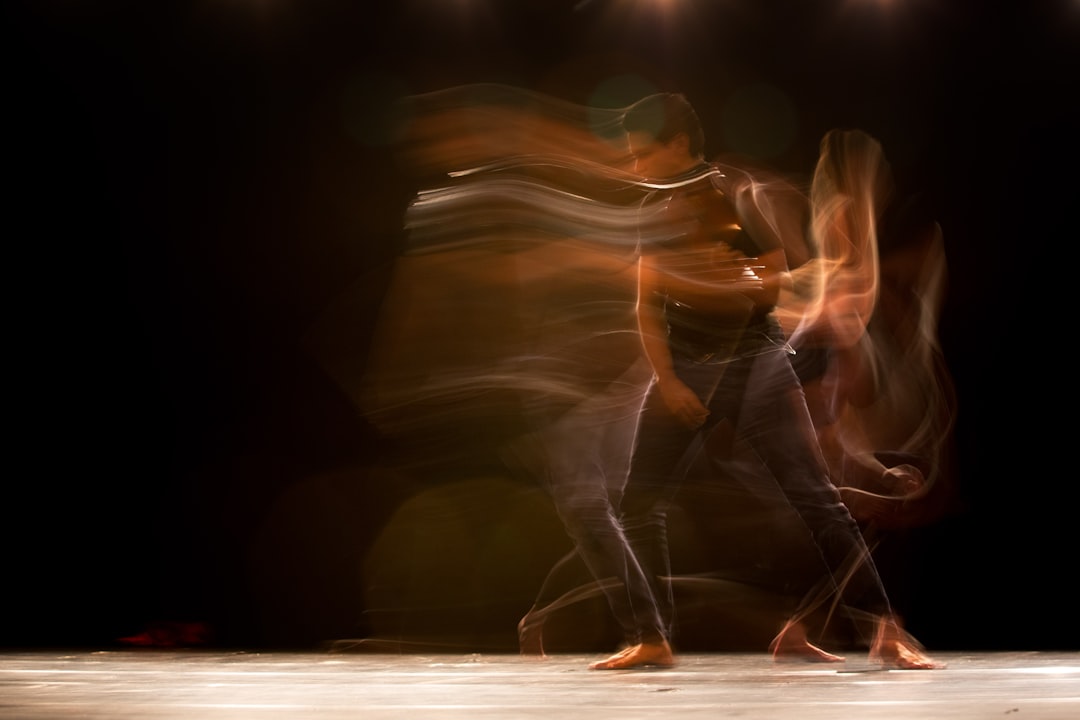
Dance is a demanding physical art form that challenges the body in unique ways. While the risk of injury is part of any athletic pursuit, understanding proper prevention strategies can significantly reduce your chances of getting hurt and extend your dancing career. At Canoru Dance School, we prioritize dancer wellness alongside artistic and technical development.
This comprehensive guide draws on current research, sports medicine expertise, and decades of collective teaching experience from our faculty. Whether you're a recreational dancer or training intensively, these principles will help you stay healthy, strong, and dancing for years to come.
Understanding Common Dance Injuries
Before we can prevent injuries, it's important to understand what types most commonly affect dancers. Contemporary dancers face unique injury patterns due to the style's demands, which include floor work, jumps, quick directional changes, and extensive use of the spine.
Ankle sprains top the list of acute dance injuries. The repetitive jumping, landing, and quick pivots required in contemporary dance place enormous stress on ankle ligaments. Without proper strength and technique, these ligaments can stretch or tear.
Lower back pain affects nearly every dancer at some point. The spine undergoes extreme ranges of motion in contemporary dance—deep back bends, forward folds, twists, and side bends. When core strength doesn't adequately support these movements, the lower back compensates, leading to strain and pain.
Knee injuries, including patellofemoral pain syndrome and meniscus tears, frequently plague dancers. The knee joint absorbs significant impact during jumps and must remain stable during complex weight shifts. Improper alignment during plié or landing mechanics often contributes to knee problems.
Overuse injuries develop gradually from repetitive stress without adequate recovery. These include tendinitis, stress fractures, and muscle strains. The insidious nature of overuse injuries makes them particularly dangerous—dancers often continue training despite early warning signs, worsening the damage.
The Foundation: Proper Warm-Up
A thorough warm-up is your first line of defense against injury. Yet many dancers rush through or skip this crucial preparation, eager to begin dancing. Your warm-up should accomplish several goals: raise your core temperature, increase joint mobility, activate key muscle groups, and prepare your nervous system for complex movements.
Start with general cardiovascular activity that gradually elevates your heart rate. This might include light jogging, jumping jacks, or dynamic movements that travel across the floor. Five to ten minutes of cardio increases blood flow to your muscles, literally warming them and making them more pliable.
Next, move through dynamic stretching—active movements that take joints through their full range of motion. Leg swings, arm circles, spinal undulations, and gentle twists prepare your body for the specific demands of dance. Unlike static stretching (holding a position), dynamic stretching has been shown to improve performance and reduce injury risk when performed before activity.
Include activation exercises that engage muscles you'll rely on during class. Glute bridges, planks, and calf raises wake up essential stabilizing muscles. At Canoru, our instructors design warm-ups that progress logically from simple to complex, preparing both body and mind for the work ahead.
Technique as Injury Prevention
Proper technique isn't just about aesthetics—it's fundamentally about safety and efficiency. When you move with correct alignment and mechanics, forces distribute evenly across joints and muscles. Poor technique concentrates stress on vulnerable structures, dramatically increasing injury risk.
Consider landing from a jump. Correct landing technique involves touching down through the toe, ball, and heel sequentially, with knees tracking over toes and core engaged to control the descent. This distributes impact forces through the foot, ankle, knee, and hip while protecting the spine. Landing flat-footed or with knees caving inward places dangerous stress on ligaments and joints.
Pliés, one of dance's most fundamental movements, protect your joints when performed correctly. The knees should track directly over the toes, neither rolling inward nor splaying outward. The pelvis remains neutral, core engaged, with weight distributed evenly across the whole foot. This alignment allows the large leg muscles to control the movement rather than stressing knee ligaments.
Our instructors at Canoru emphasize technical precision from day one, even in beginner classes. We'd rather see a dancer perform a smaller, technically sound movement than force a large, misaligned one. As technique improves and strength develops, range naturally increases without compromising safety.
Building Strength for Dance
While dance itself builds certain types of strength, supplementary strength training addresses imbalances and protects against injury. Many dancers resist strength training, fearing it will make them bulky or stiff. In reality, intelligently designed strength programs enhance dance performance while reducing injury risk.
Core strength deserves special attention. Your core stabilizes your spine during virtually every dance movement. Weak core muscles force smaller back muscles to work overtime, leading to strain and injury. Effective core training goes beyond crunches to include exercises that challenge stability in multiple planes of movement—planks, bird dogs, Pallof presses, and anti-rotation exercises.
Hip strength, particularly in the gluteus medius and hip external rotators, is essential for dancers. These muscles control leg alignment and prevent the knees from collapsing inward during landing or balancing. Single-leg exercises like step-ups, single-leg deadlifts, and lateral band walks target these crucial stabilizers.
Don't neglect upper body and arm strength. Contemporary choreography often requires supporting body weight on the hands and arms during floor work or inversions. Push-ups, rows, and overhead presses build the strength needed to execute these movements safely.
Foot and ankle strengthening is particularly important for barefoot contemporary dancers. Exercises like toe curls, resistance band work, and single-leg balance training build the intrinsic foot muscles and ankle stability that protect against sprains.
Flexibility: Finding the Right Balance
Dancers often pride themselves on flexibility, and contemporary dance certainly requires good range of motion. However, excessive flexibility without corresponding strength creates instability and actually increases injury risk. The goal is mobile stability—full range of motion with the strength to control it.
Flexibility training should occur after dancing when muscles are warm, not before. Static stretching before activity can temporarily reduce power and strength. Save your deep stretching for the end of class or during dedicated flexibility sessions.
When stretching, distinguish between muscle tightness and neural tension. If you feel pulling behind your knee when stretching hamstrings, you might be stretching the sciatic nerve rather than the muscle. Learning to recognize this difference prevents overstretching nerves, which can lead to chronic problems.
Beware of hypermobility. Some dancers have naturally excessive joint mobility, which might seem advantageous but actually requires extra attention to strength and stability. If you're hypermobile, focus on building strength at end ranges of motion and avoid forcing joints beyond comfortable limits.
The Critical Role of Rest and Recovery
In dance culture, there's often an unspoken belief that more is always better—more classes, more hours, more intensity. However, adaptation and growth occur during rest, not during training. Without adequate recovery, performance plateaus and injury risk skyrockets.
Sleep is perhaps your most powerful recovery tool. During deep sleep, your body releases growth hormone, repairs damaged tissues, and consolidates motor learning. Most dancers need 8-9 hours of quality sleep nightly, especially during intensive training periods. Chronic sleep deprivation impairs coordination, slows reaction time, and suppresses immune function.
Schedule regular rest days when you do no or minimal dancing. This doesn't mean complete inactivity—gentle activities like walking, swimming, or yoga can promote recovery without adding stress. Listen to your body; if you feel persistently fatigued, notice declining performance, or lose enthusiasm for dancing, you may need additional rest.
Recovery techniques like foam rolling, massage, and contrast baths can support your body between training sessions. While these methods don't replace rest, they may help reduce muscle soreness and maintain mobility. At Canoru, we encourage dancers to view recovery as an essential component of training, not a luxury.
Nutrition for Injury Prevention
Proper nutrition provides the raw materials your body needs to build and repair tissues. Chronic underfueling—consuming fewer calories than you expend—severely compromises bone health, immune function, and injury recovery. This is a serious problem in dance culture and one we actively work to counter at Canoru.
Ensure adequate protein intake to support muscle repair and growth. Dancers should aim for approximately 1.2-1.6 grams of protein per kilogram of body weight daily, distributed across meals throughout the day. Quality protein sources include lean meats, fish, eggs, dairy, legumes, and soy products.
Don't fear carbohydrates—they're your primary fuel source for the high-intensity movements in dance. Whole grains, fruits, and vegetables provide sustained energy along with essential vitamins and minerals. Time your larger carbohydrate-containing meals or snacks before intensive training to ensure adequate fuel.
Calcium and vitamin D deserve special attention for bone health. Dancing places significant stress on bones, which is actually beneficial—bone responds to stress by becoming stronger. However, this adaptation requires adequate nutrition. Low calcium and vitamin D levels contribute to stress fractures and compromise long-term bone density.
Hydration affects performance and injury risk more than most dancers realize. Even mild dehydration impairs coordination, concentration, and thermoregulation. Drink water consistently throughout the day, not just during class. Your urine should be pale yellow; darker color indicates inadequate hydration.
Recognizing Warning Signs
Despite best prevention efforts, every dancer experiences some discomfort. The key is distinguishing normal muscle soreness from pain that signals potential injury. Normal muscle soreness from training typically appears 24-48 hours after activity, affects both sides of the body symmetrically, and gradually improves with light movement.
Warning signs that deserve attention include sharp pain during movement, pain that worsens rather than improves with warm-up, swelling, visible bruising, asymmetric pain, or pain that disrupts sleep. Don't ignore these symptoms hoping they'll disappear—early intervention prevents minor issues from becoming major problems.
If you experience concerning pain, modify or reduce activity rather than pushing through. Apply ice to acute injuries within the first 48 hours to reduce inflammation. After this initial period, heat can help relax tight muscles and promote blood flow for healing.
Seek professional evaluation from a healthcare provider with dance medicine experience for persistent pain or suspected serious injuries. Physical therapists who understand dance can provide specific rehabilitation exercises that allow you to continue modified training while recovering.
Creating a Sustainable Dance Practice
Injury prevention ultimately comes down to sustainability—training in ways that allow you to keep dancing long-term. This requires balancing ambition with wisdom, pushing yourself while respecting your body's limits.
Progress gradually when learning new skills or increasing training intensity. The body adapts to stress over time, but overwhelming it with too much too soon leads to breakdown. Follow the ten percent rule: don't increase training volume or intensity by more than ten percent per week.
Cross-training with different activities reduces repetitive stress while building overall fitness. Swimming, cycling, or Pilates can maintain cardiovascular fitness and strength while giving dance-specific structures a break.
Cultivate body awareness through practices like somatic education or mindfulness. The better you understand your body's signals, the earlier you can identify and address potential problems.
The Canoru Approach to Dancer Wellness
At Canoru Dance School, injury prevention is woven into every class. Our instructors carefully structure progressions, monitor student technique, and create an environment where dancers feel comfortable asking for modifications or expressing concerns about pain.
We also educate our students about anatomy, injury mechanisms, and self-care strategies. Understanding why certain practices prevent injuries makes dancers more likely to actually implement them.
Our class sizes remain small enough that instructors can provide individual attention and corrections. We'd rather limit enrollment than compromise our ability to ensure every student moves safely.
Most importantly, we foster a culture that values longevity over short-term achievement. While we celebrate accomplishment and encourage growth, we never pressure dancers to perform movements before their bodies are ready.
Your Body, Your Responsibility
While we provide the best instruction and environment we can, ultimately you are your body's best advocate. You know your history, your current state, and your subtle sensations better than any teacher. Trust that knowledge.
Don't compare your flexibility, strength, or progress to other dancers. Everyone's body is different, with unique strengths, limitations, and injury history. Your journey is your own.
View injury prevention not as optional add-on but as integral to your dance practice. The few minutes spent warming up properly, the strength exercises done consistently, and the rest days honored are investments that pay enormous dividends in years of healthy dancing.
Dance should add to your life, enhancing physical capability, artistic expression, and joy. When approached with respect for your body's needs alongside your artistic ambitions, it can be a sustainable practice that enriches your entire life.
Dance Safely at Canoru
Experience the difference of training in an environment that prioritizes your long-term health and artistic growth.
Join Our Community