
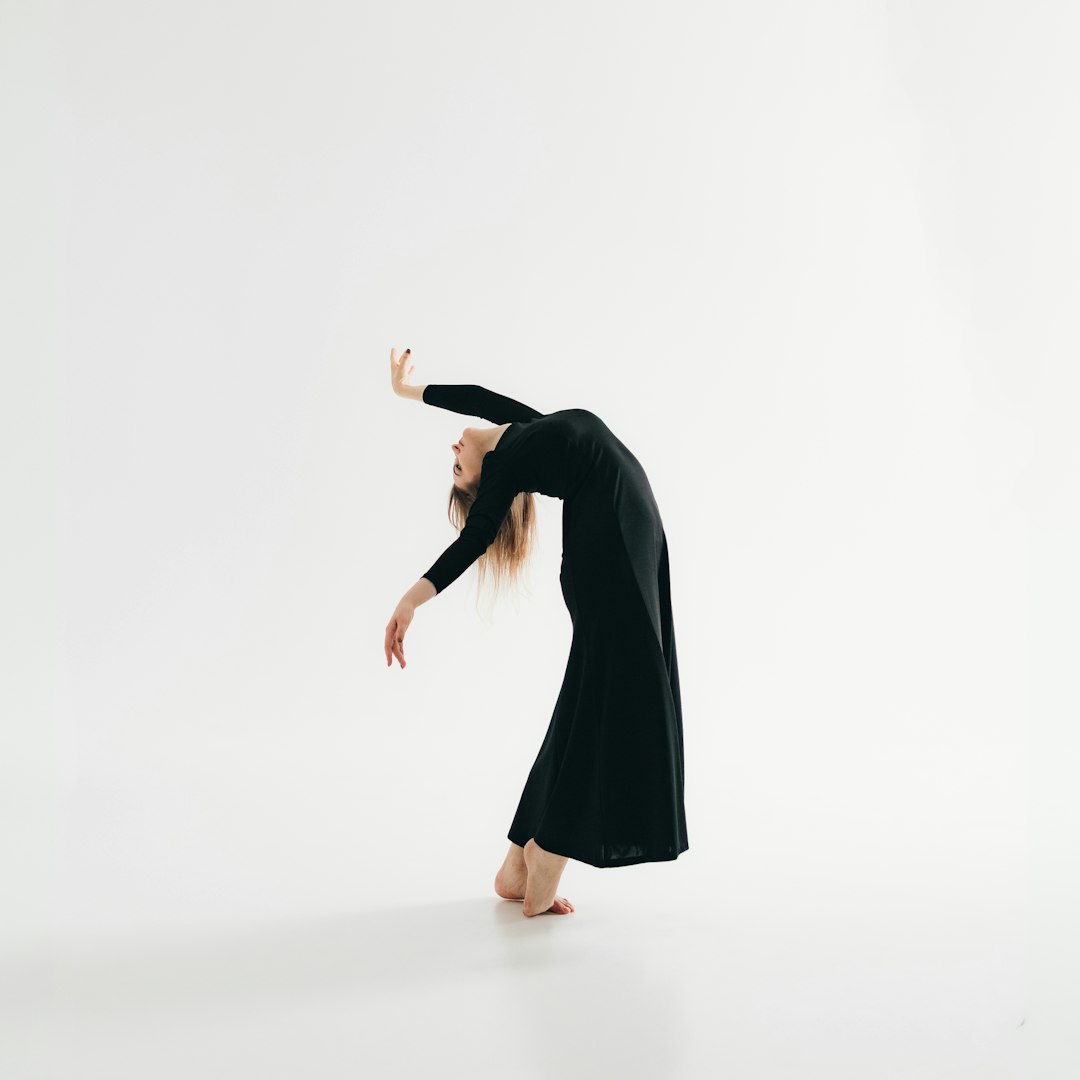
Contemporary dance stands as one of the most expressive and versatile movement forms in the performing arts world. Unlike classical ballet with its rigid structure or jazz with its specific stylistic conventions, contemporary dance embraces freedom while maintaining technical rigor. For those beginning their journey into this art form, understanding the foundational principles is essential to developing both skill and artistry.
The Philosophy Behind Contemporary Movement
Contemporary dance emerged in the mid-20th century as a rebellion against the constraints of classical ballet, yet it retained respect for technical excellence. Pioneers like Martha Graham, Merce Cunningham, and Pina Bausch sought to create movement that reflected modern human experience, emotion, and the complexities of contemporary life. This philosophy remains central to contemporary dance today.
At its core, contemporary dance values authenticity over perfection, exploration over replication, and individual expression within technical frameworks. This doesn't mean abandoning discipline; rather, it means using technique as a tool for artistic communication rather than an end in itself.
Body Awareness and Alignment
The foundation of all contemporary dance technique begins with body awareness. Before you can move expressively, you must understand how your body functions in space. This involves developing proprioception, the sense of your body's position and movement without visual reference.
Proper alignment forms the structural basis for safe and effective movement. In contemporary dance, we focus on neutral spine alignment, where the natural curves of the spine are maintained without excessive arching or flattening. The pelvis sits in a neutral position, neither tilting forward nor tucking under. Shoulders rest naturally over the ribcage, and the head balances effortlessly atop the spine.
Developing this alignment takes consistent practice and body awareness. Many contemporary dancers begin each class with floor work, lying supine to feel the natural curves of their spine against the ground. This grounded practice helps establish a kinesthetic memory of proper alignment that transfers to standing and moving work.
Core Engagement and Center
Contemporary dance places enormous emphasis on core strength, but not in the way you might expect from fitness culture. Rather than focusing on visible abdominal muscles, contemporary technique develops deep core engagement that supports the spine and pelvis, allowing the limbs to move freely and powerfully.
The concept of dancing from your center means initiating movement from the core of your body rather than from your extremities. When you reach your arm forward, the movement begins with a subtle engagement in your torso before traveling through your shoulder, arm, and finally hand. This creates movement that looks organic and connected rather than isolated and mechanical.
Breath and Movement Integration
One of the distinguishing features of contemporary dance is the integration of breath with movement. Unlike ballet, where breathing is often held or controlled to maintain line and form, contemporary dance uses breath as an active component of movement quality and phrasing.
Inhalation naturally creates expansion and lift in the body, while exhalation supports contraction and grounding. Contemporary choreography often exploits these natural tendencies, using breath to inform the dynamics and emotional quality of movement. Learning to breathe naturally while dancing, rather than holding your breath during difficult passages, marks an important milestone in contemporary training.
Weight and Gravity
Contemporary dance has a unique relationship with gravity compared to ballet's emphasis on defying it. While contemporary dancers certainly work to develop strength for elevation and suspension, the technique also embraces gravity, using weight and fall as expressive tools.
Release technique, a major influence in contemporary dance, teaches dancers to work with gravity rather than constantly fighting against it. This involves learning to release unnecessary muscular tension, allowing gravity to assist in certain movements while engaging only the muscles necessary for control and safety.
Understanding weight transfer is crucial in contemporary dance. Every movement involves shifting your weight, whether subtly or dramatically. Developing sensitivity to these weight shifts allows for more nuanced, grounded movement quality.
Spatial Awareness
Contemporary dancers must develop sophisticated spatial awareness, understanding their relationship to the performance space, to other dancers, and to the audience. This involves several components including levels (high, medium, low), directions (forward, backward, sideways, diagonal), and pathways (straight, curved, zigzag).
Practicing movement through different levels helps develop versatility and dynamic range. Contemporary dance regularly transitions between standing work, floor work, and everything in between. Being comfortable moving through all spatial planes expands your movement vocabulary significantly.
Contraction and Release
Pioneered by Martha Graham, the contraction and release principle remains fundamental to contemporary technique. A contraction involves engaging the abdominal muscles and curving the spine, creating a C-curve in the torso. Release involves returning to neutral or extending in the opposite direction.
This principle extends beyond literal contractions of the torso to inform a broader movement philosophy of tension and release, effort and ease. Learning when to engage and when to release creates dynamic, expressive movement that communicates emotional content.
Fluid Transitions
Unlike some dance forms that emphasize distinct positions connected by transitions, contemporary dance often focuses on the transitions themselves. The journey between shapes matters as much as the shapes themselves. This creates movement that appears seamless and organic.
Developing fluid transitions requires releasing the habit of thinking in static positions. Instead, visualize your movement as a continuous flow, with each moment growing organically from the previous one. This approach creates the liquid quality characteristic of accomplished contemporary dancers.
Building Your Practice
Mastering these fundamentals takes time, patience, and consistent practice. Begin by developing body awareness through simple exercises focusing on alignment, breath, and basic movement principles. As these become more natural, gradually increase complexity and speed.
Remember that contemporary dance is as much about artistic exploration as technical mastery. Allow yourself to experiment, make mistakes, and discover your own movement preferences within the technical framework. The goal is not to move identically to your teacher or classmates, but to develop your authentic movement voice grounded in solid technical understanding.
At Canoru Dance School, we structure our beginner classes to systematically build these fundamental skills while nurturing individual artistic development. Whether you're completely new to dance or transitioning from another style, understanding and practicing these core principles will provide a strong foundation for your contemporary dance journey.